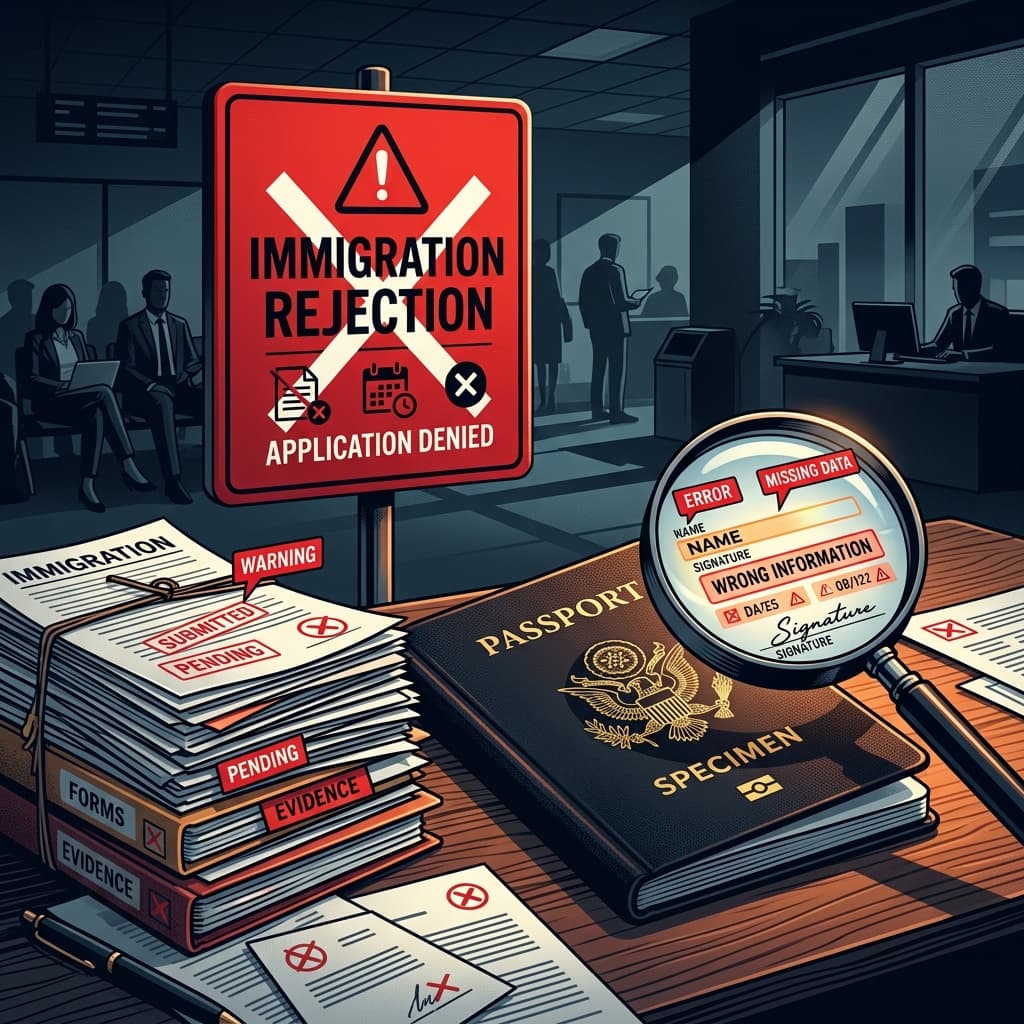
Application Arsenal: Your Essential Toolkit for a Successful Visa
Every successful visa application is built on a foundation of correct, complete, and well-organised documentation. Immigration officers process hundreds of applications daily — a clean, logically ordered file that demonstrates your eligibility clearly will always stand out from an incomplete or confusing one.
This guide walks you through the six essential document categories for most immigration applications, along with pro tips for each.
Identity Documents
- ✓ Valid passport (minimum 6 months validity)
- ✓ National ID card
- ✓ Old/expired passports (showing travel history)
- ✓ Birth certificate
Financial Evidence
- ✓ Bank statements (last 3–6 months)
- ✓ Income tax returns (last 2–3 years)
- ✓ Employer salary certificate
- ✓ Property ownership documents
- ✓ Fixed deposit certificates
Employment & Professional
- ✓ Employment letter on company letterhead
- ✓ Pay slips (last 3–6 months)
- ✓ Leave approval from employer
- ✓ Business registration (if self-employed)
- ✓ Professional licences
Educational Qualifications
- ✓ Degree and diploma certificates
- ✓ Transcripts and mark sheets
- ✓ ECA/credential assessment reports
- ✓ Professional certifications (PMP, ACCA, etc.)
Language Test Results
- ✓ IELTS or CELPIP (Canada, Australia, NZ)
- ✓ PTE Academic
- ✓ TOEFL (USA)
- ✓ TEF/TCF (Quebec, France)
- ✓ German A1/B1/B2 certificates
Supporting Documents
- ✓ Travel insurance (mandatory for Schengen)
- ✓ Police clearance certificate
- ✓ Medical examination results
- ✓ Proof of accommodation
- ✓ Invitation letters (if applicable)
The Golden Rules of Document Preparation
Never submit photocopies without a certified original. Many immigration authorities require notarised copies or original documents. When in doubt, bring both.
Translations must be certified. Documents not in English (or the language of the destination country) must be accompanied by certified translations from a recognised translator.
Consistency is critical. Your name must appear identically across all documents. A discrepancy between your passport name and your degree certificate can trigger a red flag. Address this before applying.
Date everything. Bank statements, employment letters, and police clearances all have validity windows. A bank statement older than 3 months or a police clearance older than 6 months is typically not accepted.
Organisation Matters
How you present your documents is as important as what you include. We recommend organising your file in the following order for most applications:
- 1. Cover letter (optional but powerful for complex cases)
- 2. Completed application form
- 3. Passport and identity documents
- 4. Financial evidence
- 5. Employment/professional documents
- 6. Educational certificates
- 7. Language test results
- 8. Supporting documents (insurance, accommodation, etc.)
A well-prepared, organised application file signals to the immigration officer that you are a serious, organised applicant — and that matters.